

In today's era of rapid development of information technology, the semiconductor industry, as the core pillar of modern technology, is driving the progress of human society at an unprecedented speed. From daily use of smartphones and computers to cutting-edge technologies such as artificial intelligence and the Internet of Things, the performance and quality of semiconductor materials directly determine the functionality and stability of electronic products. In the production process of semiconductor materials, the detection of specific surface area and true density of raw materials has become an indispensable key link to ensure product quality, optimize process flow, and improve production efficiency.
In the semiconductor industry, the detection of specific surface area and true density of raw materials runs through every link from material research and development, production process control to product quality evaluation.
In the manufacturing process, the specific surface area of raw materials affects the growth rate, uniformity, and density of thin films. A larger specific surface area usually means that there are more active sites on the material surface, which is conducive to the adsorption and reaction of reactive gas molecules, thereby accelerating the deposition rate of thin films.
The use of catalysts is very common in the synthesis process. The specific surface area of a catalyst is directly related to its activity and selectivity. Catalysts with high specific surface area can provide more active sites, accelerate the reaction process, and improve reaction efficiency and yield.
Many semiconductor materials require processing in high vacuum or specific gas atmospheres during production, and the true density detection of materials can indirectly reflect their purity and density.
During the production process, many raw materials exist in powder form, such as metal powder, ceramic powder, etc. The true density of powders is closely related to factors such as particle morphology, surface characteristics, and stacking methods, which affect the flowability of powders and their processing performance in subsequent processes. During the packaging process, the true density of the packaging material affects the stability and reliability of the packaging structure.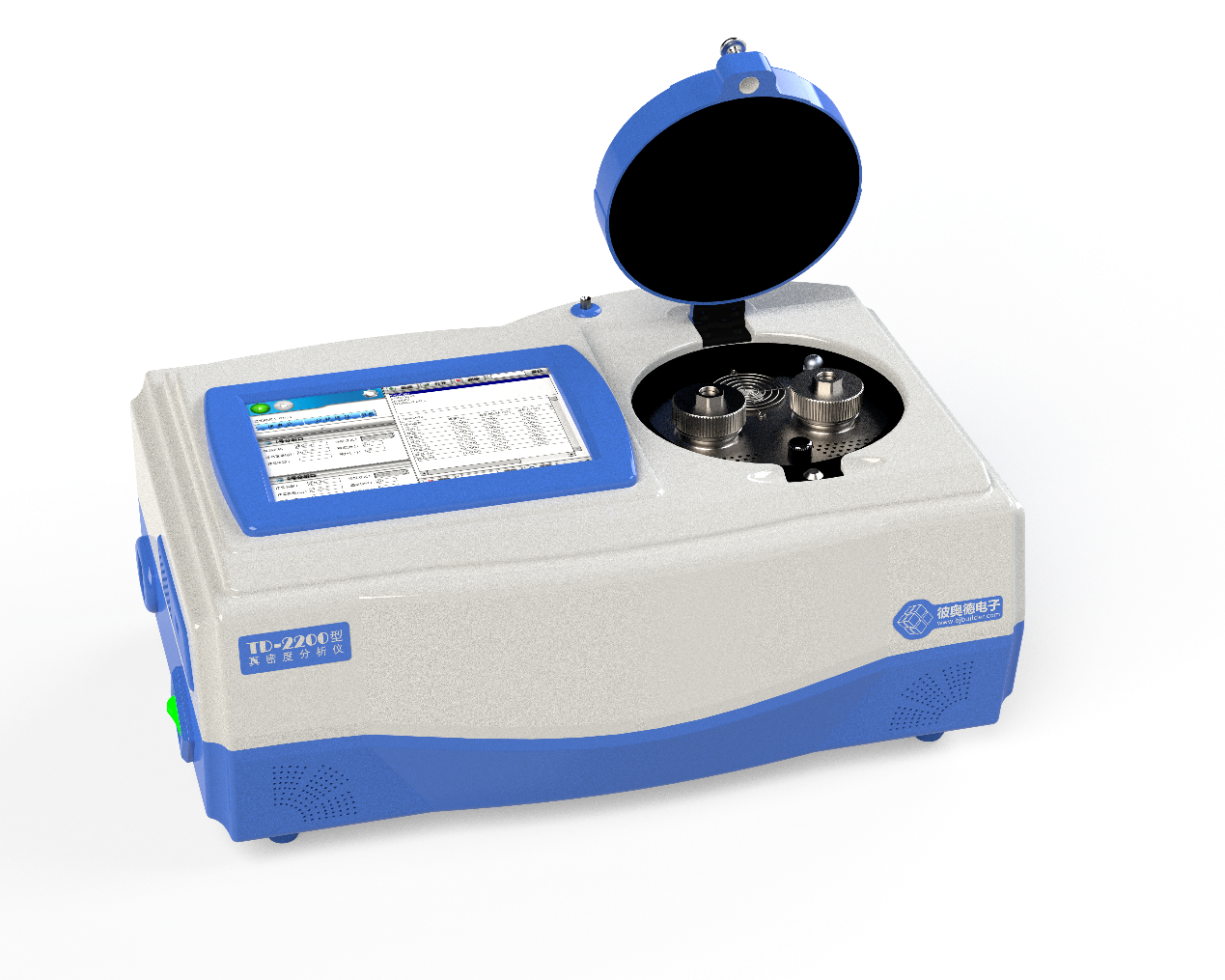
Through precise testing and scientific data analysis, enterprises can gain a deep understanding of the physical and chemical properties of raw materials, optimize production processes, and improve product quality and production efficiency.
contact
Be the first to know about our new product launches, latest blog posts and more.Any question or request?
Click below, we’ll be happy to assist. contact
